CRM Analytics vs. Server "Intuition": How to Increase Average Check by 22% Without Expanding the Menu
Increasing HoReCa sales through personalized recommendations relies on integrating CRM data with POS systems to automate upselling. Leveraging order history allows servers to offer relevant add-ons, boosting the average check by 15–25% and optimizing Food Cost. Key success factors include analyzing guest preferences, controlling dish margins, and synchronizing kitchen capacity with front-of-house operational data.
Why "Would You Like Anything Else?" No Longer Works
In my 20 years of experience in HoReCa, I have realized one thing: even the most advanced thermal equipment line from Rational or MKN won’t save your P&L if there is chaos in your floor communications. I have seen dozens of establishments in Kyiv, Lviv, and Odesa where owners invest hundreds of thousands of dollars in combi ovens but lose their margin at the exact moment the server interacts with the guest.
The problem with most restaurants is a linear approach to sales. Servers suggest what they personally like or what they’ve been told to “push” (often high-food-cost items). This is a dead end.
Establishments that rely solely on staff intuition see a discrepancy in the average check between “strong” and “weak” servers of up to 40%. Using CRM data eliminates this human factor, transforming service into a predictable mathematical model.
The Tech Stack: How CRM and POS Integration Transforms Food Cost
When conducting an audit of operational processes, the first thing to examine is the guest’s “digital footprint.” Modern systems allow you to do more than just accumulate loyalty points; they enable you to build a comprehensive guest profile.
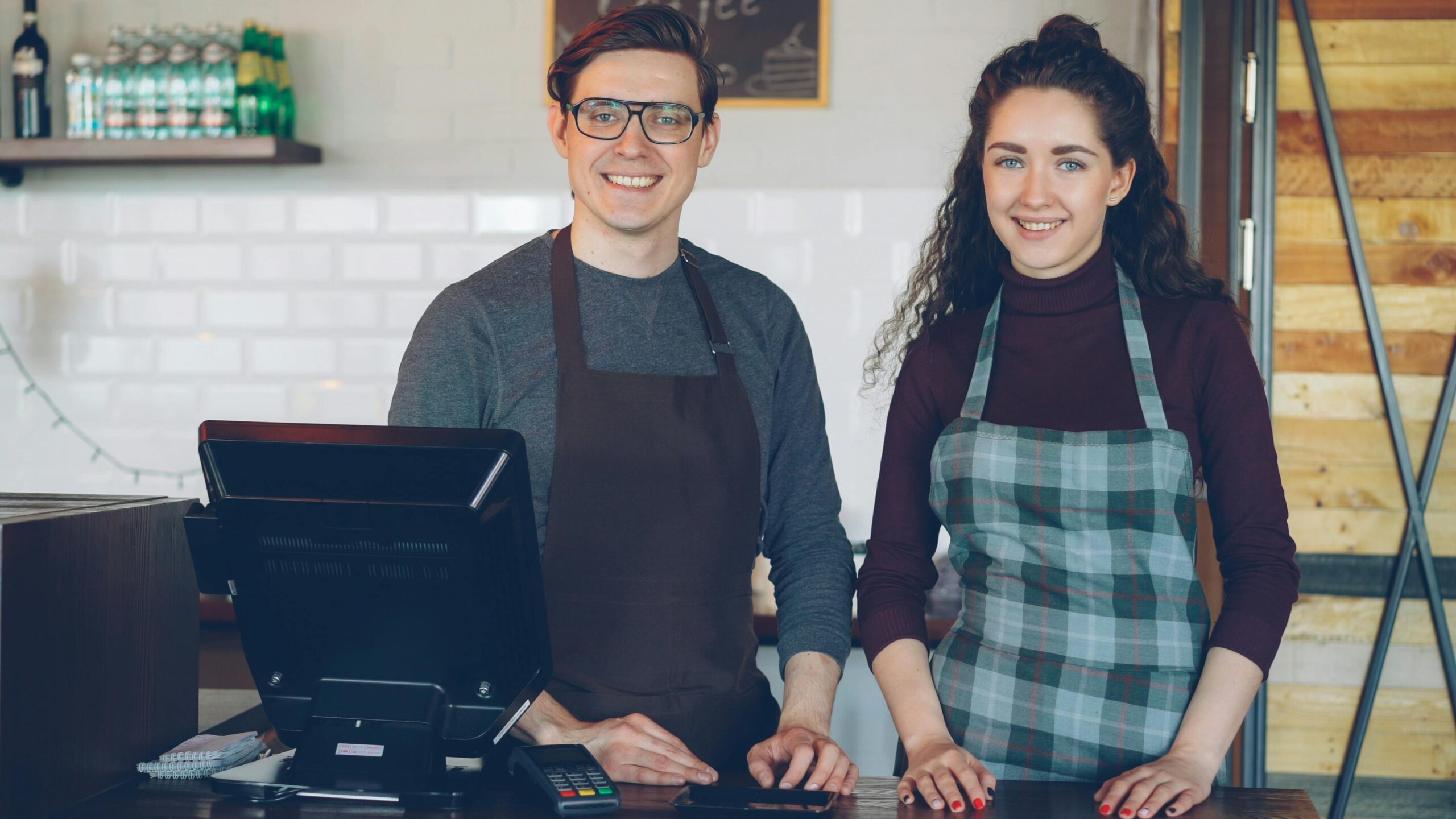
I recommend configuring your system so that when a QR code is scanned or a phone number is identified, the server sees more than just a name on the terminal. They should see “Order Triggers.” This allows for a data-driven recommendation at the exact moment the guest is most likely to accept it.
Upselling Techniques Based on the Menu "Heat Map"
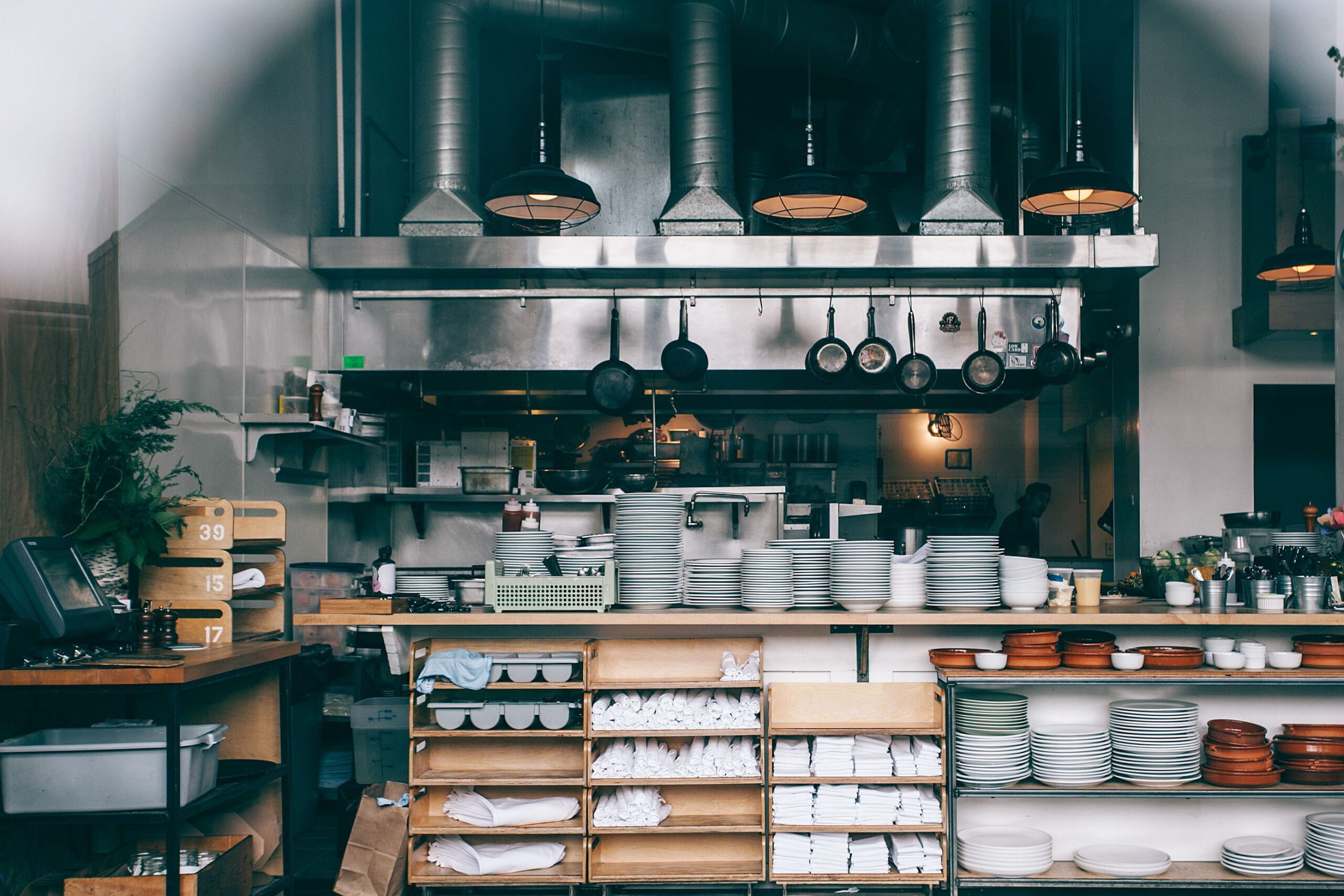
Kitchen technical design and menu engineering are inseparable. You cannot effectively upsell complex dishes if your kitchen’s “heat map” shows that the hot station is already over-capacity.
I advise using the ABC Analysis method combined with CRM data. We categorize the menu into four quadrants:
“Stars” (High popularity, high margin).
“Workhorses” (High popularity, low margin).
“Puzzles” (Low popularity, high margin).
“Dogs” (Low popularity, low margin).
The goal is to use CRM prompts to guide the guest toward “Stars” and “Puzzles,” thereby protecting your overall profitability.
Personalization 2.0: Managing Allergies and Preferences
Modern HACCP standards require clear allergen labeling. CRM allows you to take this a step further. If the system contains a note about a “nut allergy,” the server doesn’t just avoid a mistake (which is critical for reputation); they proactively offer a safe alternative.
A personalized approach like: “We remember you prefer lactose-free options, so we suggest trying our new dessert made with coconut milk,” increases guest loyalty (LTV) exponentially. People don’t just pay for food; they pay for being recognized and cared for.
How Inventory Selection Affects Cycle Speed and Sales
It might seem like a minor detail, but inventory ergonomics directly affect staff turnover and, consequently, the quality of sales. When a server has to wait 10 minutes for a clean wine glass due to poor dishwashing zone organization or an outdated dishwasher, they stop suggesting wine. It’s easier for them to just sell a bottle of water.
During an audit, it is essential to calculate the TCO (Total Cost of Ownership) of your equipment. For example, a Winterhalter under-counter dishwasher with a heat recovery system costs more upfront, but it delivers a perfectly dry glass in 90 seconds. This means the server can upsell a premium drink instantly. High turnover speed equals cash in the register.
A Step-by-Step Plan for Owners:
Data Audit: Check if your CRM collects more than just phone numbers. You need order history and visit frequency.
Staff Training: Servers must understand the establishment’s P&L. Explain why it is more profitable to sell a side dish or sauce with a 15% food cost than a second bottle of beer with a 45% food cost.
Automated Prompts: Set up “pop-up” recommendations in your POS system based on dish pairing logic.
Technical Control: Ensure your equipment (coffee machines, ovens, display cases) is operating stably. Faulty equipment leads to “stop-lists,” which kill any sales technique.
Sales growth techniques in 2026 are not about manipulation; they are about deep analytics and the technical excellence of the kitchen. When your CRM data pinpoints the right moment for a suggestion, and your kitchen equipment allows you to deliver that dish in 7 minutes with consistent quality—you achieve sustainable profit growth.
Remember: margin is built during the kitchen design phase, but it is realized through data. If you are still operating “by feel,” you are giving money away to your competitors every single day.
Author: Ruslan, Independent HoReCa Analyst, exclusively for eeat.com.ua

 Author: Ruslan, Independent HoReCa Analyst, exclusively for eeat.com.ua