How Cold Brew and the Third Wave Actually Drive Beverage Margins Up to 400%
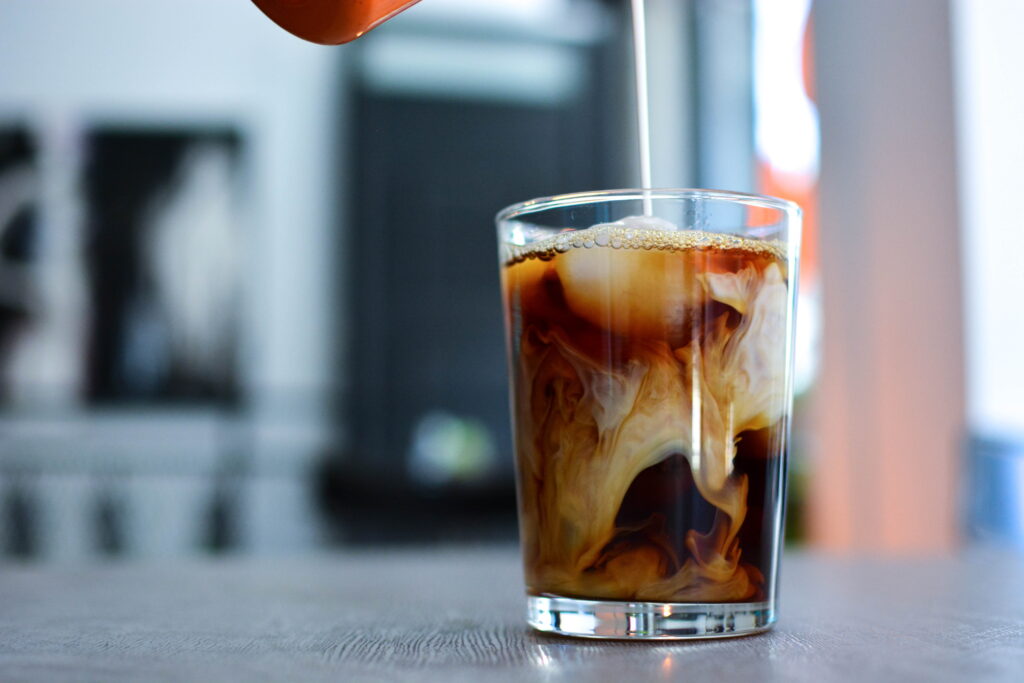
Third-wave coffee culture represents a shift from commodity-grade beans to the specialty segment, defined by full origin traceability. The primary commercial driver of this model is Cold Brew—a cold-extraction beverage that delivers margins exceeding 400% thanks to low labor costs, an extended shelf life (up to 7 days), and high service speed, all of which optimize a venue’s P&L.
Why Specialty Coffee is About Profit, Not Just Aesthetics
Many owners mistakenly view “Third Wave” as merely an added expense for expensive beans. In reality, it is a tool for increasing the average check. By replacing commercial-grade coffee with a fresh-roasted Specialty lot, the cost per cup may increase marginally, but sales in the “beverages” category typically rise by 10–15% per quarter due to the premium quality guests are willing to pay for.
The Third Wave is the mathematics of control: TDS (Total Dissolved Solids), extraction levels, and water chemistry. I have seen how ignoring water mineralization can “kill” an espresso machine’s boiler in four months while making the flavor of expensive coffee fall flat. High operational sophistication starts with an understanding that coffee is a chemical solution where 98% is water.
The Economics of Cold Brew: A Comparison with the Classics
When implementing Cold Brew, owners often have concerns regarding operational complexity. My tests show the opposite. Below is a comparison of the real Total Cost of Ownership (TCO):
Shelf Life:
Classic Iced Coffee: 15–20 minutes (ice melt eventually destroys the balance).
Cold Brew (Concentrate): Up to 7 days refrigerated without flavor degradation.
Labor Cost:
Iced Coffee: Each cup is made to order (90–120 seconds).
Cold Brew: Batch production once every few days; service takes 15 seconds.
Capital Expenditure (CAPEX):
Espresso System for Cold Drinks: From $5,000 (machine + grinder).
Cold Brew System: From $1,000 (quality grinder + brewing vessels).
A Professional Approach to Cold Brew: Technique and Economics
Professional Cold Brew is not simply “soaking coffee in water overnight.” That is a direct path to low margins and high wastage. A proper Cold Brew production cycle should look like this:
Selection: Use light or medium roast (Omni-roast).
Grind: Coarse, like sea salt, to prevent over-extraction and bitterness.
Extraction: 12 to 18 hours at +4°C (Cold Steeping method).
Filtration: Double filtration through paper or nylon filters to achieve a clean, transparent body.
Pro-tip: Do not neglect HACCP standards. Since the process is lengthy, there is a risk of microbial growth if brewed at room temperature. I recommend extracting exclusively in refrigeration units at temperatures no higher than +5°C. This extends the brewing time but guarantees product safety and flavor stability.
Regarding Water: Water hardness varies significantly by region. For Specialty coffee, we require 50–125 ppm. If you haven’t installed a reverse osmosis system with a mineralizer, you are effectively throwing money away on expensive beans.
How the Third Wave Redraws the Bar’s Heat Map
In professional floor planning, the Cold Brew station should be moved to a separate block. This offloads the main espresso zone. This is true inventory ergonomics: when a barista doesn’t waste time on unnecessary movements, they can serve 15 more portions per hour. Over a month, this converts into pure profit that was previously “eaten” by inefficiency.
Local Context: The Specialty Market
The market is currently experiencing a boom in local roasting. The advantage of working with a local partner is freshness. Third-wave coffee is at its peak flavor between 14 and 45 days after roasting. Using imported specialty beans that spent two months in transit is a waste of resources.
The supply chain should be configured so that beans arrive at the venue on the 7th day post-roast. This allows the natural degassing process to stabilize, improving espresso extraction consistency and the richness of the Cold Brew.
Margins and Menu Engineering
Cold Brew is the perfect product for cross-selling. It serves as an ideal base for signature cocktails (Coffee Tonic, Espresso Martini based on concentrate). Adding three signature Cold Brew-based drinks to the menu increases the margin of the coffee card by 10–12%. Why? Because you aren’t just selling coffee; you are selling a unique mix where coffee represents only 40% of the volume, with the rest being ice, tonic, or house-made syrups.
My Checklist for Implementing Third-Wave Coffee Culture:
Water Audit: Test for pH, hardness, and chlorine. Install a filtration system.
Roaster Selection: Partner with local specialty roasters offering transparent lot histories (farm, altitude, processing method).
Cold Brew SOP (Standard Operating Procedure): Strict regulations on grind size, temperature, and time.
Staff Training: Baristas must understand the difference between anaerobic fermentation and washed processing to effectively sell the experience to the guest.
The Third Wave and Cold Brew are not mere trends; they are technological optimizations. When you invest in quality beans and cold extraction, you are buying your employees’ time and your guests’ loyalty. The future of HoReCa belongs to those who combine gastronomic passion with a rigorous audit of every gram of coffee and every second of the process.
 Author: Ruslan, Independent HoReCa Analyst, Expert Technologist at eeat.com.ua